
Chinese cooking has been refined over centuries, with techniques passed down through families, regional kitchens and apprenticeships. Fusion cuisine, by contrast, borrows freely from different traditions to create something new. Some diners worry that one must come at the expense of the other, but many chefs see it differently. After all, in a city where Cantonese, Teochew, Hokkien and Western influences already sit side by side, a Chinese fusion restaurant in Singapore often shows that traditional methods can remain the foundation even when the ingredients and presentation change. Looking at how specific techniques are adapted helps explain why.
Wok Hei and High-Heat Stir-Frying
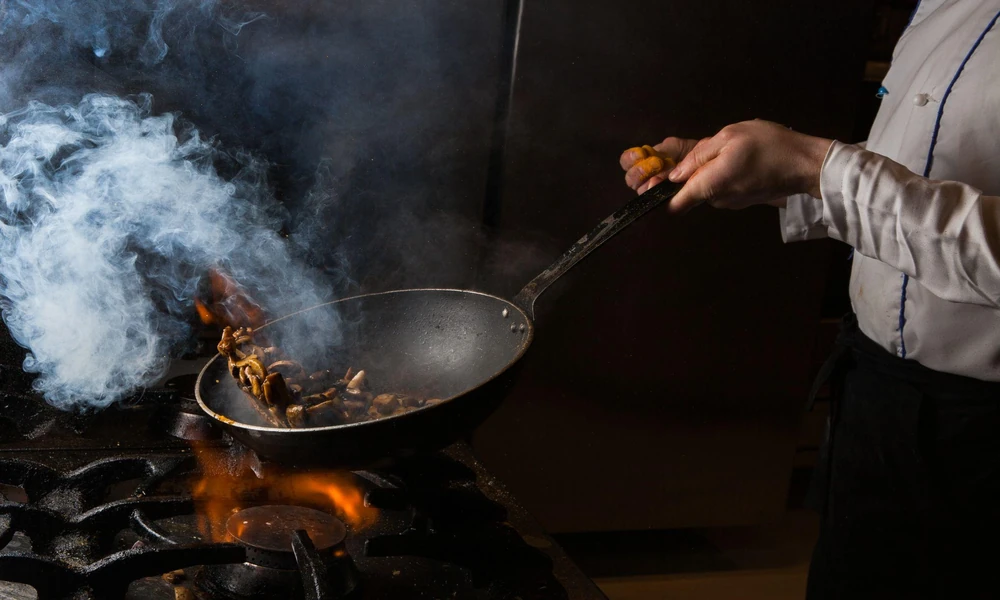
The smoky, seared flavour known as wok hei comes from intense heat, constant movement and well-seasoned woks. This technique carries over into fusion dishes in several ways, including these:
- Stir-frying non-traditional ingredients, such as asparagus, truffle or wagyu beef, using classic wok methods.
- Pairing wok-fried noodles or rice with sauces borrowed from other cuisines.
- Keeping the same timing and heat control, even when portions are plated in a modern style.
- Using wok hei as a flavour layer in dishes that are later finished with Western garnishes.
Steaming and Gentle Cooking
Steaming is valued in Chinese cooking for preserving the natural taste and texture of seafood, meat and vegetables. Fusion chefs often keep this method because it suits fresh, delicate ingredients, adapting it in ways like these:
- Steaming imported fish varieties with ginger, spring onion and soy, alongside local favourites.
- Adding herbs or citrus from other cuisines to traditional steaming liquids.
- Using steamed elements as one component in a multi-textured plated dish.
Roasting and Siu Mei Traditions
Cantonese roasting, which produces char siu, roast duck and crispy pork, relies on marinades, hanging ovens and careful control of fat and skin. Diners at a Michelin Chinese restaurant in Singapore may find these methods presented with little change, while fusion kitchens tend to build on them through ideas like these:
- Glazing new cuts or proteins with char siu marinade.
- Serving roast duck in pancakes, salads or sliders.
- Combining crispy pork with sauces such as apple purée or mustard.
- Keeping traditional drying and roasting steps to achieve crisp skin.
Braising and Slow-Cooked Sauces
Red-braising, master stocks and slow-simmered sauces build deep flavour over hours. These techniques adapt well to fusion cooking because they work with many proteins and flavourings, as seen in approaches such as these:
- Braising pork belly or beef cheek in soy-based stocks, then serving it with mash or brioche.
- Infusing master stocks with wine, spices or aromatics from other cuisines.
- Reducing braising liquids into glazes for modern presentation.
- Keeping the long cooking time that gives braised dishes their tenderness.
Double-Boiled Soups and Broths
Double-boiling extracts flavour slowly from ingredients sealed inside a closed vessel, producing clear, nourishing soups. Fusion menus sometimes keep this method intact while changing how it is served, including the following:
- Presenting soups in smaller tasting portions as part of a set menu.
- Using double-boiled broth as a base for noodle or risotto-style dishes.
- Adding ingredients such as morels or seafood from other regions.
- Keeping traditional herbal combinations where they define the dish.
Where the Line Is Drawn
Not every chef or diner agrees on how far adaptation should go. Discussions about fusion often centre on questions such as these:
- Whether a dish still reflects the technique it claims to use.
- How much substitution a recipe can take before it loses its identity.
- How clearly menus explain what is traditional and what is new.
- Whether fusion introduces younger diners to classic dishes they might not otherwise try.
Tradition as the Foundation
Traditional Chinese techniques and modern fusion cuisine can coexist when the methods are respected rather than replaced. Wok hei, steaming, braising, roasting and double-boiling all rely on skills that take years to master, and fusion chefs who build on these skills can introduce new ingredients and styles while keeping the character of Chinese cooking intact.
Curious how classic Chinese techniques taste with a modern twist? Book a table at Chen’s today.


