Introduction
Catering portions are a very crucial thing when hosting an event. Too little food can leave guests hungry. Too much can increase costs and cause unnecessary waste. Knowing how much food to order helps you plan suitable food and manage your budget.
The right amount depends on the type, number of guests, portion style, and event. A corporate lunch may need different portions from a wedding reception or birthday party. This portion guide explains how to estimate food quantities for various events.
Why Catering Portions Matter
Food portions influence both guest satisfaction and catering costs. A beneficial menu guarantees that everyone has enough to eat. Accurate portion planning with a trusted provider like Charlie’s Catering Singapore also helps you:
1. Control your budget:
Ordering appropriate quantities reduces avoidable waste.
2. Avoid meat shortages:
Guests can enjoy the food without anxious about running out of foods.
3. Reduce food waste:
Realistic estimates help avoid excessive remainders.
4. Improve cuisine balance:
You can deliver quantities across starters, mains and desserts.
How Much Food Should You Order Per Person?
There is no single portion size for each event. However, inclusive estimates can help you start planning.
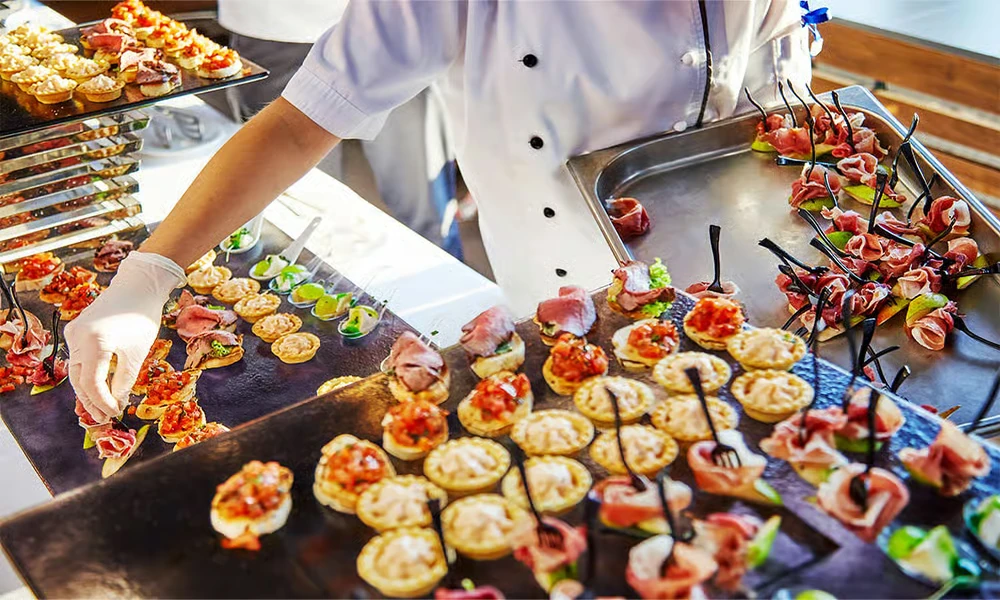
1. Appetizers and Starters
Starters are usually served before the main meal. Their capacity depends on whether they are light snacks or a solid food.
Before a complete meal:
Plan about 3-5 small pieces per person.
For a short event:
Plan about 4-6 pieces per person.
For a liquor-style event:
Plan about 6-10 pieces for one if starters change a complete meal.
These are offset estimates. Adjust them based on the event and the proportion of each part.
2. Main Courses
Main courses usually contain the largest portion of the food.
Meat or poultry:
Around 150-200 grams of baked protein for one person in total.
Rice, bread, or additional starches:
Around 150-250 grams of cooked food for one.
3. Desserts
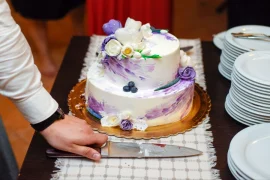
Dessert quantities depend on the cuisine, and different sweets can be served. For most occasions, take one standard portion per guest.
4. Drinks
The quantity depends on the weather, event length, and available beverage substitutes. As a general beginning, admit about 500-750 ml of non-alcoholic drinks for one for a short event. Longer occasions or outdoor events require more.
Factors Affecting Catering Portions
1. Type of Event
A perfect dinner demand larger food portions than a short one with light snacks. Weddings and decorated parties may further need more menu difference.
2. Event Duration
Longer events frequently demand additional food and drinks. A four-hour build-up may need more snacks than a high-quality lunch.
3. Guest Preferences
Consider digestive needs, meal options, and the expected age range. Children can eat smaller portions than adults. Guests following specific dietary requirements may need acceptable alternatives.
4. Serving Style
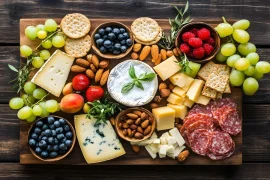
A la carte food uses projected individual portions. A buffet allows guests to pick their own quantities. A small buffet can have fixed package sizes and minimum orders. you can also ask your caterer about how much food do you need for catered events.
Conclusion
Whether you are preparing a corporate lunch, birthday party, merger, or family gathering of people, speak with your caterer before confirming the order. A knowledgeable catering team can authorize suitable quantities. With careful preparation, you can provide a complete meal, control costs, and reduce food waste.