Key Takeaways
- Egg and dairy alternatives perform specific functions beyond flavour in vegan baking.
- Plant-based ingredients help provide structure, moisture, texture, and stability in cakes.
- Different recipes require different ingredient combinations to achieve consistent results.
- A vegan cake shop relies on careful ingredient selection and testing to maintain quality.
- Many recipes served at a plant-based cafe are developed with local climate and storage conditions in mind.
Introduction
Creating vegan cakes involves much more than removing eggs and dairy from a traditional recipe. These ingredients contribute to structure, moisture retention, aeration, emulsification, and flavour development, so replacing them requires an understanding of food science rather than simple substitution. Every ingredient must work together to produce a cake that rises properly, stays moist, and maintains its shape after baking. A vegan cake shop often develops recipes through repeated testing to identify the right balance of plant-based ingredients. Likewise, a plant-based cafe in Singapore may adapt recipes to suit customer preferences while ensuring consistency across its menu.
Why Eggs Play Multiple Roles in Cake Baking
Eggs are one of the most complex ingredients in baking because they perform several functions simultaneously. They bind ingredients together, trap air during mixing, contribute moisture, provide protein for structure, and assist in creating a stable crumb after baking. Removing eggs means replacing each of these functions individually rather than finding one ingredient that does everything.
Plant-based substitutes such as flaxseed meal, chia seeds, aquafaba, applesauce, mashed banana, or commercial egg replacers each serve different purposes. Flaxseed and chia seeds form a gel when mixed with water, helping bind ingredients together. Aquafaba, the liquid from cooked chickpeas, can trap air and create foam, making it useful for lighter sponge cakes and meringue-style products. Fruit purees contribute moisture and softness but may also affect sweetness and density. Professional bakers choose substitutes based on the desired texture instead of using the same replacement for every recipe.
How Dairy Alternatives Affect Texture and Flavour
Milk, butter, and cream each influence a cake differently. Milk provides moisture and protein, butter contributes richness and tenderness, while cream adds fat that improves mouthfeel. Replacing these ingredients requires careful consideration of fat content, water balance, and flavour.
Plant-based milks such as oat, soy, almond, or coconut milk all contain different levels of protein and fat. Soy milk often performs well because its protein content is closer to dairy milk, while oat milk provides a naturally mild flavour and smooth consistency. Butter alternatives made from vegetable oils can replicate the fat content of dairy butter, although adjustments may be required to maintain the desired texture. Coconut cream or cashew cream may also be used in fillings and frostings where a richer consistency is needed without relying on dairy products.
The Importance of Balancing Moisture and Structure
One of the biggest challenges in vegan baking is maintaining the correct balance between moisture and structural stability. Too much liquid can produce a cake that collapses after baking, while insufficient moisture results in a dry, crumbly texture. Every change in ingredient composition affects how flour absorbs water and how the batter behaves during baking.
Professional bakers in a vegan cake shop often modify flour types, starches, oils, and raising agents alongside egg and dairy alternatives. Ingredients such as potato starch or cornflour can improve tenderness, while vegetable oils help retain moisture for longer periods than some solid fats. The interaction between baking powder, bicarbonate of soda, and acidic ingredients must also be carefully controlled to produce sufficient lift without causing uneven rising or large air pockets.
Ingredient Combinations Produce Better Results
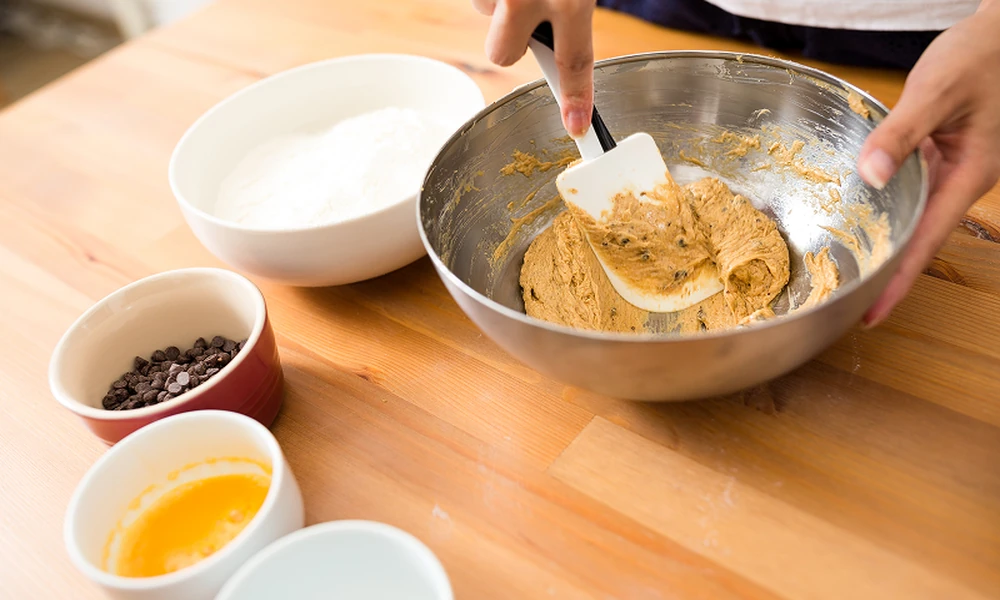
Successful vegan baking rarely depends on one substitute alone. Instead, recipes combine several ingredients that work together to recreate the functions of eggs and dairy. A recipe may use oat milk for moisture, vegetable oil for tenderness, flaxseed gel for binding, and apple cider vinegar with bicarbonate of soda to improve rise. Each ingredient supports another to achieve a balanced final product.
This combination approach allows bakers to produce cakes with consistent texture, appearance, and shelf life across different flavours. It also provides flexibility when developing recipes for chocolate cakes, fruit cakes, cheesecakes, or celebration cakes, each of which requires different structural characteristics.
Conclusion
The science behind vegan cakes lies in understanding the individual roles of eggs and dairy before selecting suitable plant-based alternatives. Every substitute contributes specific functional properties that influence texture, stability, flavour, and appearance. Rather than relying on simple replacements, professional bakers combine ingredients strategically to achieve reliable results. As vegan baking continues to evolve, a vegan cake shop and a plant-based cafe can apply these principles to create cakes that meet both quality expectations and diverse dietary preferences.
Visit Lilac Oak for thoughtfully prepared plant-based desserts for your next celebration.