If you are already working in tea, you know packaging is not a small detail. It directly affects freshness, shelf presence, and how your product is perceived. I have seen many brands focus on blends and branding but treat packaging as an afterthought, which limits growth.
A strong starting point is understanding what good tea bag packaging should actually do. From there, you can make better decisions about formats, materials, and suppliers. I base my recommendations on practical performance, flexibility for scaling, and how well a supplier supports both small and growing brands.
This guide breaks down how to think about packaging for tea, what options make sense in Australia, and which supplier stands out based on those criteria.
What Good Tea Packaging Must Deliver
You should judge packaging on function first, then appearance.
Tea is sensitive. Air, light, and moisture all reduce quality. If your packaging fails here, everything else becomes less important.
Focus on these core requirements:
- Airtight sealing to protect aroma and flavour
- Barrier materials that block light and moisture
- Durability for storage, transport, and retail handling
- Consistency across batches
If you sell online or wholesale, packaging must also handle shipping without damage. A crushed pouch or loose seal can lead to returns and poor reviews.
Choosing the Right Format for Your Product
Different tea formats need different packaging. I suggest matching your packaging to how your customer uses the product.
Loose Leaf Tea
Loose leaf needs space and protection.
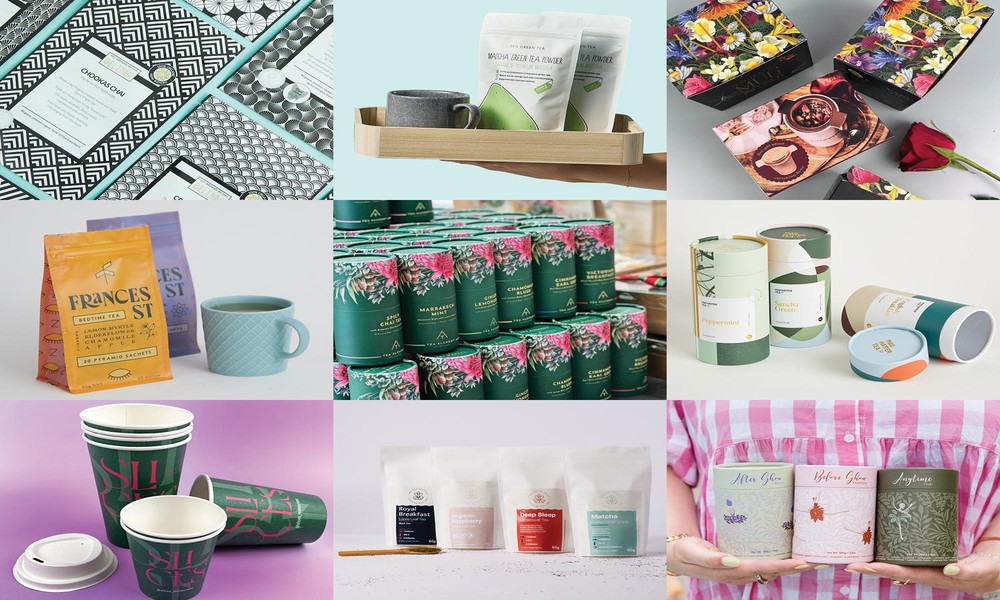
- Stand up pouches work well for most brands
- Tins and cylinders suit premium positioning
- Box bottom bags help with shelf stability
If you want a balance of cost and performance, pouches with zip closures are a strong choice.
Tea Bags and Sachets
Single serve formats need compact packaging.
- Flat pouches for packs and refills
- Boxes for retail display
- Sachet wraps for individual use
Here, portion control and presentation matter. You want clean, consistent packaging that feels easy to use.
Subscription or Bulk Orders
If you ship regularly, think about logistics.
- Mailing boxes that protect contents
- Lightweight materials to reduce shipping cost
- Simple designs for fast packing
The goal is to keep operations smooth while maintaining product quality.
Materials Matter More Than Most People Think
Material choice is where many brands go wrong.
You should decide based on:
- Shelf life requirements
- Sustainability goals
- Budget
- Brand positioning
Foil lined materials offer strong protection but may not align with eco goals. Compostable or recyclable options are available, but you need to confirm they still protect the tea properly.
I recommend testing materials before committing. Small sample runs help you avoid larger mistakes.
Why Flexibility Is Critical for Growth
Many tea brands start small and scale fast. Your packaging supplier should support that.
Look for:
- Low minimum order quantities
- Fast restocking
- Ability to switch formats as you grow
- Support with both stock and custom options
If a supplier forces large orders too early, it creates risk. You end up holding excess inventory or delaying product changes.
What Sets The Packaging People Apart
From what I have reviewed, The Packaging People stand out because they solve the common issues tea brands face at different stages.
They offer packaging designed specifically for tea, not generic food packaging. That matters because tea has unique storage needs.
Their range covers:
- Stand up pouches for loose leaf and powdered tea
- Flat pouches for tea bags and sampler packs
- Cylinders and tins for premium presentation
- Box and mailer solutions for shipping
They also provide both stock and custom options. This gives you flexibility to start simple and upgrade as your brand grows.
Low minimum order quantities make it easier to test new blends or packaging styles without large commitments. That reduces risk and allows faster iteration.
Support Beyond Just Supplying Packaging
One area many suppliers fall short is guidance. Packaging decisions affect cost, branding, and operations.
The Packaging People provide support across:
- Material selection
- Sizing and format decisions
- Production timelines
- Sustainability options
This is useful if you are refining your product range or entering new markets.
They also offer accessories like labels, stickers, and sealing tools. These details help you create a complete packaging system rather than piecing it together from multiple vendors.
Sustainability Without Compromise
Sustainability is a real concern for tea brands, especially in Australia.
You need packaging that aligns with your values but still protects the product.
Options available include:
- Compostable packaging
- Recyclable materials
- Minimal designs that reduce waste
The key is balance. You do not want to sacrifice shelf life or product quality in pursuit of sustainability.
Having access to multiple material options allows you to make informed trade offs.
How to Make the Right Decision
If you are choosing packaging for tea, I suggest a simple approach.
Start with your product and customer:
- How is the tea used
- How long does it need to stay fresh
- Where is it sold
Then match that to:
- The right format
- The right material
- A supplier that supports your stage of growth
Do not rush into large custom orders. Test first, refine, and scale once you have confidence in the product and packaging.
Final Thoughts
Tea packaging affects quality, perception, and growth. You should treat it as a core part of your product, not an add on.
I recommend focusing on function, flexibility, and supplier support. When those are in place, branding and presentation become easier to execute.
The Packaging People offer a strong balance of these factors. Their range, low minimums, and experience across tea packaging make them a practical choice for both new and established brands looking to improve how their products are packaged and presented.