Japanese melon has earned a reputation as one of the most luxurious fruits in the world, prized for its flawless appearance, extraordinary sweetness, and melt-in-the-mouth texture. In Japan, gifting a premium melon is a deeply respected cultural tradition. But what exactly elevates these fruits above ordinary melons, and why do some varieties sell for thousands of dollars at auction?
A Tradition Rooted in Gift-Giving Culture
Japan’s culture of premium fruit giving dates back centuries. Fruits are not merely snacks or dessert items in Japanese society. They are tokens of respect, gratitude, and celebration. A beautifully packaged melon given during Ochugen (mid-year) or Oseibo (year-end) gift seasons carries real social significance.
This cultural context drives the demand for perfection. Farmers do not simply grow melons. They craft them, treating each fruit as an individual work of art. The result is a product where appearance, aroma, sweetness, and texture must all meet exacting standards before a melon earns its premium label.
The Yubari King and Other Celebrated Varieties
Among all premium Japanese melons, the Yubari King stands at the very top. Grown exclusively in Yubari, Hokkaido, this cantaloupe hybrid is the result of crossing two varieties to produce a fruit with perfectly balanced sweetness and an exceptionally smooth rind pattern. A pair of Yubari Kings once sold at auction for over five million yen.
Other celebrated varieties include the Crown Melon from Shizuoka Prefecture, known for its juicy flesh and elegant T-shaped stem, and the Densuke watermelon from Hokkaido, recognised for its striking black rind. Each variety has its own loyal following, and regional pride fuels a healthy competition among growers.
The story of the japanese melon is ultimately one of devotion. Farmers in Yubari and Shizuoka often tend to just a handful of plants at a time, pouring their knowledge and energy into producing the finest possible fruit from each vine.
How Japanese Melon Farmers Achieve Perfection
The cultivation process behind a premium Japanese melon is astonishingly labour-intensive. In many greenhouses, farmers allow only one fruit to grow per vine. By removing all other blossoms, the plant channels every bit of its nutrients and energy into a single melon. This practice results in larger, sweeter, and more uniformly shaped fruit.
Controlled Temperature and Humidity
Greenhouses are monitored around the clock, with adjustments made to ensure optimal growing conditions at every stage. Some farmers even hand-pollinate each flower and massage the developing fruit to encourage even growth and a smooth exterior.
Equally Deliberated Harvest
Farmers assess each melon individually, measuring sugar content with a refractometer and inspecting the rind for any blemish. Only fruit that meets every criterion makes it to market with the premium designation.
What Makes the Flavour So Exceptional
The taste of a top-grade Japanese melon is remarkably different from what most people expect. The flesh is incredibly juicy, with a sugar content that often reaches 13 to 15 Brix or higher. The texture is tender and almost custard-like, dissolving on the tongue rather than requiring much chewing.
The aroma is equally distinctive. A ripe premium melon fills a room with a fragrant, floral sweetness that signals its readiness to eat. This aromatic quality is something farmers actively cultivate through their choice of soil, fertiliser, and harvesting timing.
As Singapore’s founding Prime Minister Lee Kuan Yew once observed, “We knew that if we were to survive, we had to be exceptional.” That drive toward exceptionalism resonates strongly with the Japanese philosophy of fruit cultivation, where settling for good enough is simply not an option.
Understanding the Price Behind the Prestige
The cost of a premium melon from Japan reflects the enormous investment of time, skill, and resources that goes into each fruit. A single Crown Melon can take three to four months of daily attention. Labour costs, greenhouse maintenance, and the ruthless selection process all contribute to the final price tag.
Auction prices for the first melons of the season grab headlines, but they represent marketing events as much as genuine transactions. Retailers and wholesalers bid high to attract publicity and signal quality. The everyday retail price of a premium melon from Japan is more accessible, though still significantly higher than mass-produced alternatives.
For consumers, the price buys more than just fruit. It buys the assurance of quality, the cultural significance of the gift, and the experience of tasting something genuinely extraordinary.
How to Select and Enjoy a Japanese Melon
Shape of Melon
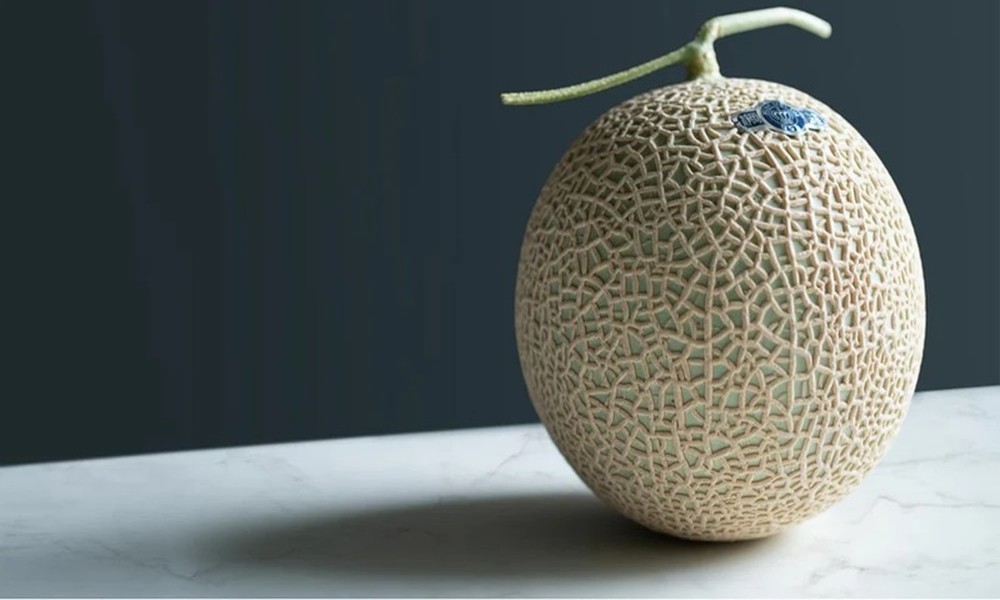
When choosing a premium Japanese melon, look for a symmetrical shape, a well-defined net pattern on the rind, and a pleasant fragrance at the base. The stem should be green and T-shaped, which indicates careful harvesting. Weight matters too; a heavier melon generally means juicier flesh.
Chilled Melon
Serve the melon chilled but not ice-cold. Cutting it into neat wedges and eating it fresh is the traditional approach. Some high-end restaurants in Tokyo and Singapore serve it alongside light desserts or as a palate cleanser. The key is simplicity, as the fruit’s natural flavour needs no embellishment.
Whether enjoyed as a luxurious personal treat or presented as a meaningful gift, the japanese melon remains a symbol of the pursuit of perfection and a reminder of why it is known worldwide as a truly premium fruit.